Blog
Unveiling the Secret: Why Young Japanese Women are Embracing K-Beauty Trends
Unveiling the Secret: Why Young Japanese Women are Embracing K-Beauty Trends
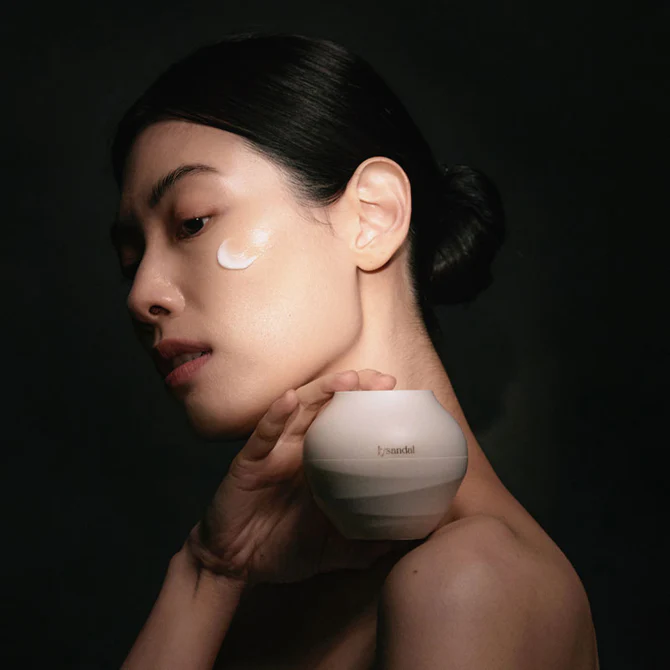
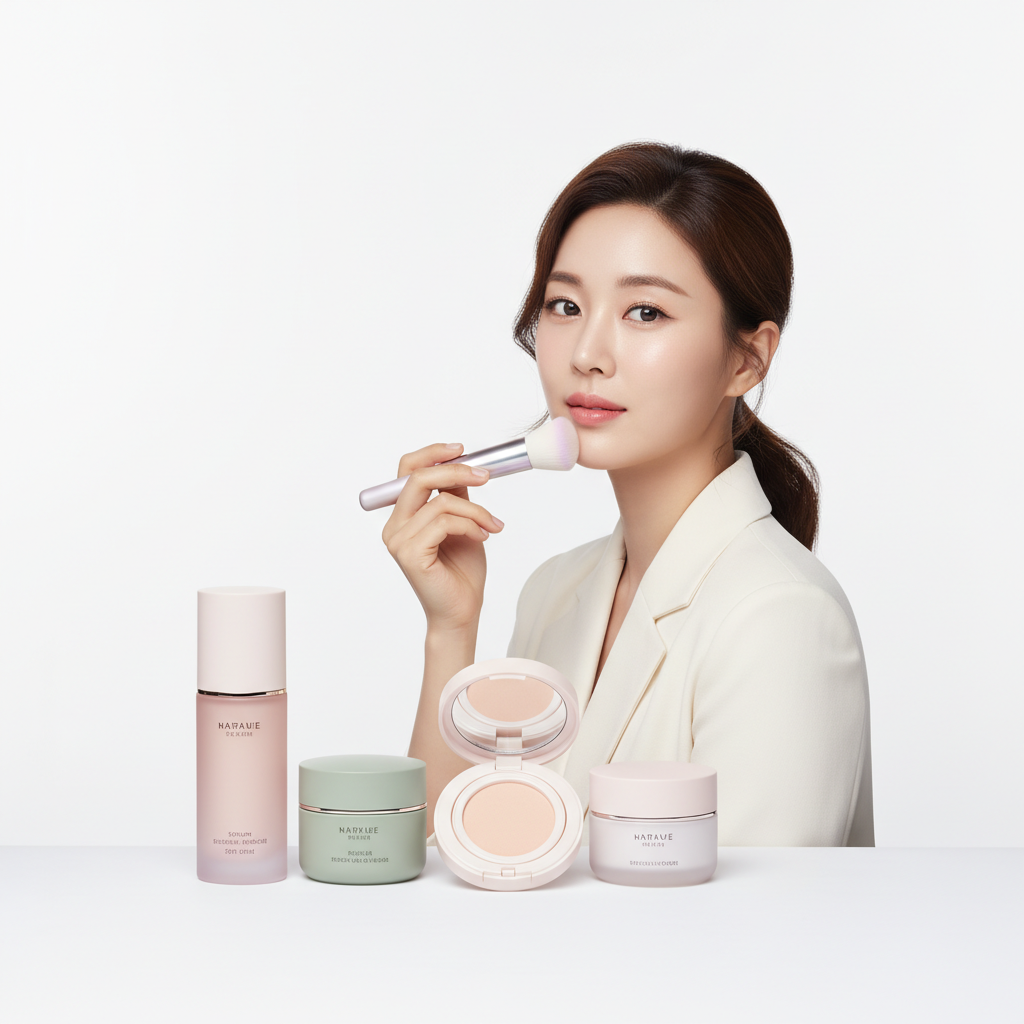
As the beauty landscape evolves, a fascinating trend is emerging among the younger demographics in Japan. Recent reports highlight that one in four Japanese women under the age of 40 are turning to Korean cosmetics, drawn by the allure of K-beauty’s innovative formulations and aesthetic appeal. This growing interest signals a shift not only in consumer habits but also in the appreciation for the cultural roots of beauty. In this article, we dive deep into the reasons behind this K-Beauty phenomenon, explore key trends, and provide insights that could enhance your own skincare routine with the right products from Skin Seoul Shop.
The Allure of K-Beauty: What’s Drawing Young Women?
The surge in popularity of K-beauty among Japanese women can be attributed to several factors. Korean skincare isn’t just about products; it’s a holistic approach, emphasizing self-care and the ritual of beauty. This cultural nuance resonates well with those seeking more than just superficial solutions.
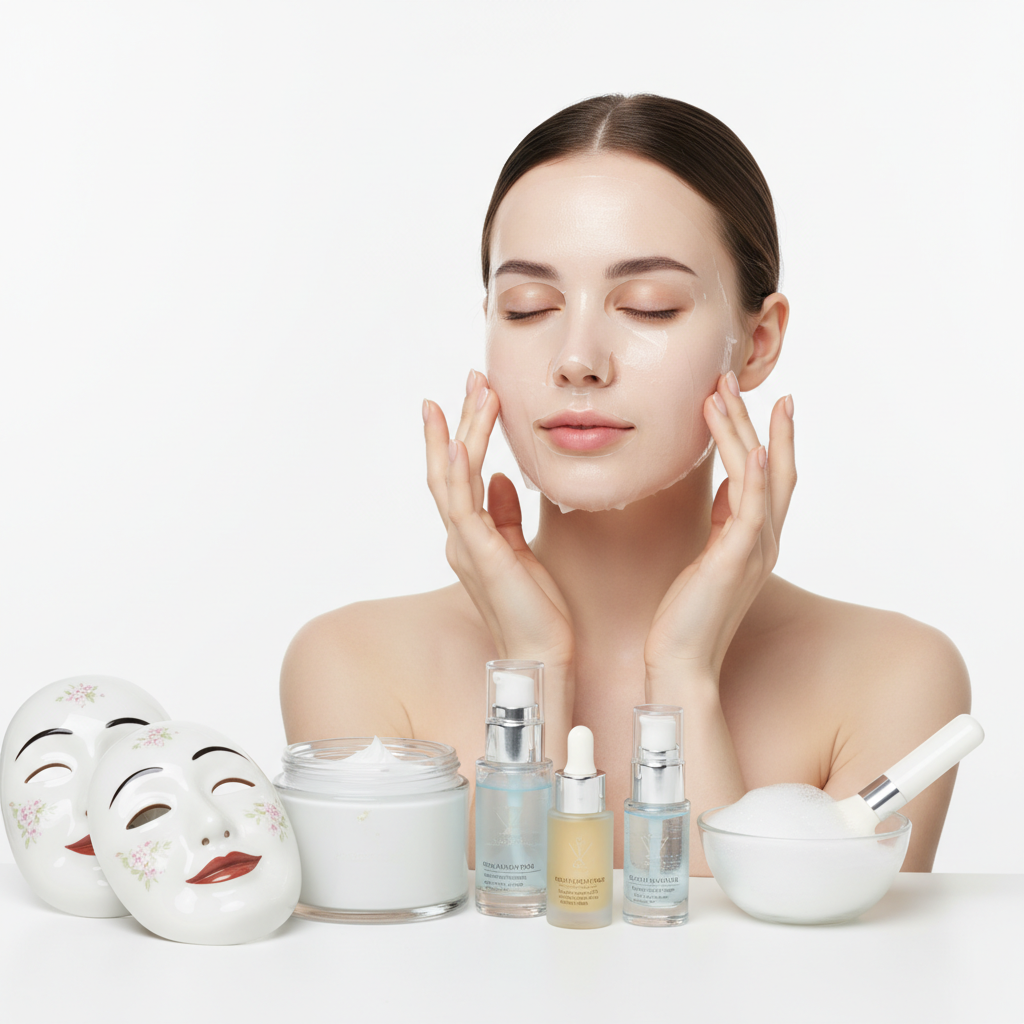
Products like essences, serums, and sheet masks offer a multi-step routine that has become synonymous with K-beauty, promoting healthy, radiant skin. For instance, the Nature Republic Aloe Vera 92% Soothing Gel is a perfect example of a versatile product that hydrates while soothing the skin—ideal for Japan’s often unpredictable climate.
Korean beauty brands are also known for their commitment to high-quality ingredients that prioritize skin health, such as hyaluronic acid, snail mucin, and innovative botanical extracts. These ingredients are not only effective but also promote a lifestyle centered around healthy skin, which is extremely appealing to young consumers looking for more than just a trend.
A Focus on Innovation in Formulation
K-beauty is undeniably at the forefront of innovation, often leading the charge in beauty formulation technology. Brands continually introduce new products that emphasize effective results, often seen in their use of cutting-edge ingredients.
For example, the COSRX Advanced Snail 96 Mucin Power Essence harnesses the restorative properties of snail mucin to repair and rejuvenate skin. This trend towards unique, efficacious ingredients is one of the reasons why Japanese consumers are gravitating towards K-beauty; they crave results, and Korean brands deliver just that.
Additionally, the trend of minimalistic skincare routines, often encapsulated in the idea of “skinimalism,” emphasizes fewer but more effective products. Japanese consumers appreciate this approach as they navigate their busy lives, making the simplicity of K-beauty routines particularly appealing.
Cultural Influences and the Rise of Skincare Rituals
Cultural exchange plays a significant role in the spread of K-beauty across borders. The popularity of K-dramas and K-pop has ignited fascination with the Korean lifestyle, including its beauty standards and practices. These cultural exports often showcase flawless skin and elaborate beauty routines, encouraging viewers to adopt similar practices.
The Innisfree Green Tea Seed Serum, for instance, has gained a cult following thanks to its nourishing properties and eco-friendly brand ethos that aligns with the values of environmentally conscious consumers. This intertwining of culture and product has driven more young women to explore K-beauty, eager to emulate the beauty ideals celebrated in popular media.
Moreover, the rituals surrounding Korean skincare are not only about aesthetics but are deeply ingrained in a philosophy of self-care and mindfulness. The act of applying layers of skincare can become a meditative practice, promoting relaxation and well-being—an appealing aspect for those seeking an escape from their hectic lives.
The Importance of Trend-Spotting and Social Media Influence
Social media platforms, particularly Instagram and TikTok, have revolutionized how beauty trends spread. K-beauty brands effectively utilize these channels to showcase their products through engaging content, tutorials, and user-generated reviews. This accessibility allows consumers to witness firsthand the transformations these products can facilitate.
The ETUDE HOUSE SoonJung pH 5.5 Relief Toner, for example, has become a social media favorite for its soothing properties and gentle formulation suitable for all skin types. Social media influencers often highlight its benefits, translating into increased visibility and trust among young Japanese women looking for reliable skincare solutions.
Moreover, the ability to quickly share tips, tricks, and experiences fosters a communal aspect to beauty routines that resonates particularly well with younger generations who thrive in digital spaces. This sense of community, combined with aspirational content, makes K-beauty not just a trend but a lifestyle choice.
The Power of Community and Emerging Trends
As more young Japanese women embrace K-beauty, a sense of community forms around shared experiences and recommendations. Beauty enthusiasts exchange tips and discuss favorite products, creating a vibrant dialogue that strengthens the bond within this community.
Emerging trends like layering products for personalized skincare routines or utilizing the “glass skin” technique are actively discussed on forums and beauty blogs. The Dr. Jart+ Ceramidin Cream, with its rich formula that deeply hydrates and strengthens the skin barrier, is a prime example of a product that can achieve the coveted dewy complexion so well-admired.
Being part of such a community encourages individuals to explore and experiment with K-beauty, fostering a culture of discovery where everyone is invited to share their beauty journey. This communal spirit not only enhances personal experiences but also contributes to an appreciation for the craftsmanship behind K-beauty products.
Practical Tips for Incorporating K-Beauty into Your Routine
To transition into K-beauty effectively, it’s essential to understand the foundational principles of Korean skincare. Here are some practical tips to help you get started:
1. Start Slow: If you’re new to multi-step routines, begin with a few key products. Introduce a gentle cleanser, a hydrating toner, and a good moisturizer into your regimen.
2. Research Ingredients: Pay attention to the ingredients in your products. Look for those that address your specific skin concerns. For example, niacinamide is excellent for brightening the skin, whereas propolis is fantastic for soothing irritation.
3. Embrace the Routine: K-beauty is not just about the products; it’s about the experience. Take time for your skincare rituals, as this will not only benefit your skin but also enhance your overall well-being.
4. Layering is Key: Learn how to layer products effectively. Starting from the thinnest (like essences) to the thickest (like creams) ensures better absorption and optimizes the benefits of each product.
5. Stay Open to New Products: K-beauty is continually evolving. Keep an eye out for new releases at Skin Seoul Shop, where you can explore innovative options that suit your unique skin type.
By following these tips, you can tailor your K-beauty experience to meet your skin’s needs while also introducing elements of self-care into your daily life.
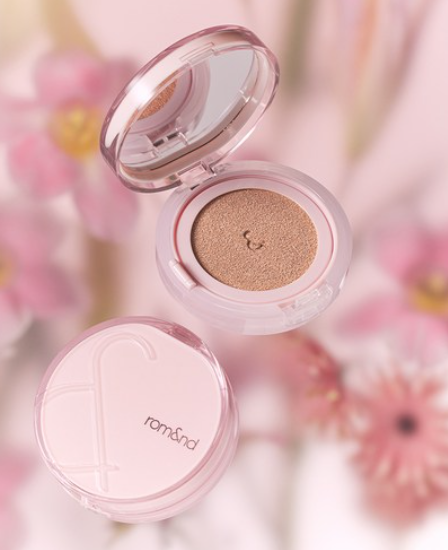
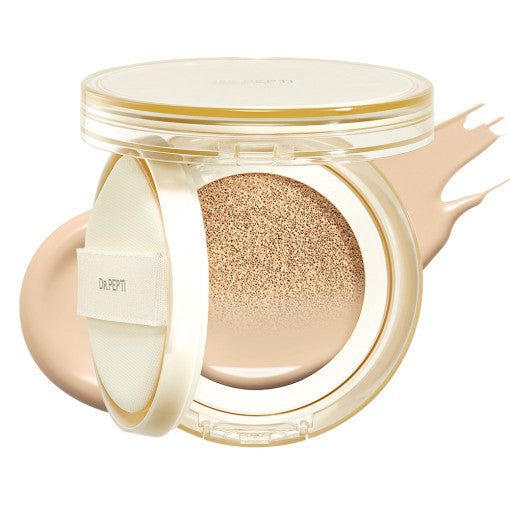
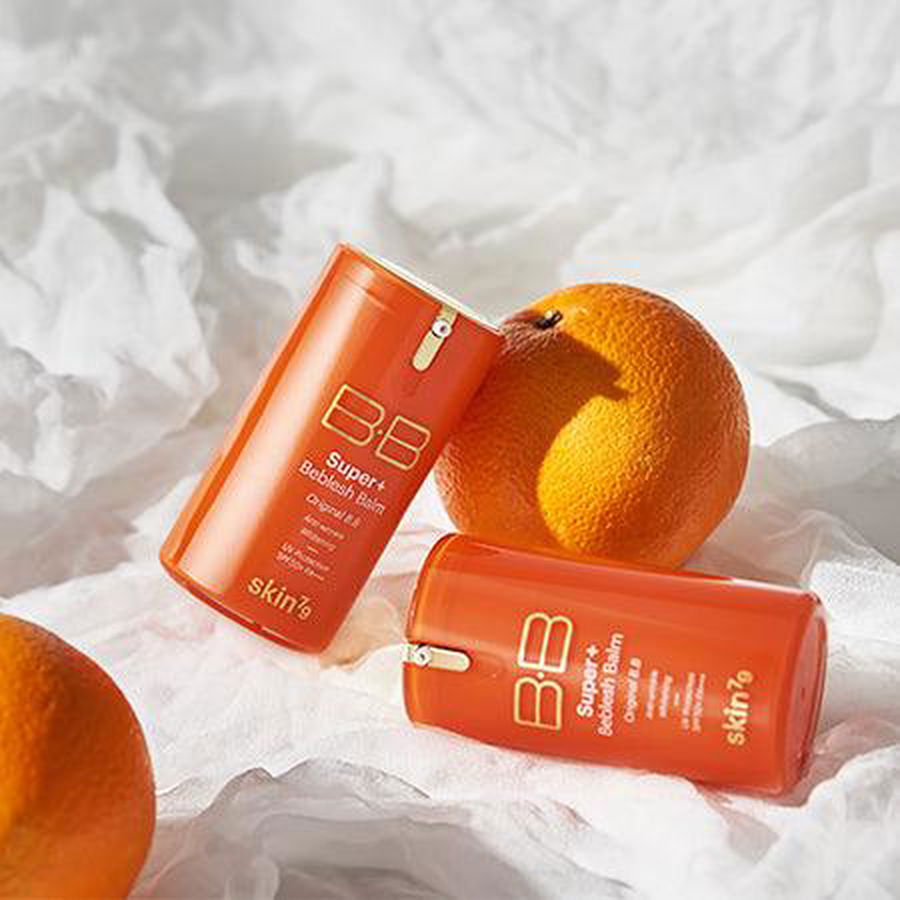
Makeup Products
Conclusion
The rising trend of K-beauty among Japanese women under 40 is more than a mere fascination; it’s a movement that celebrates innovation, cultural exchange, and personal wellness. As this trend continues to grow, it also opens doors for beauty enthusiasts worldwide to explore the rich tapestry of Korean beauty culture.
For those eager to delve into authentic Korean cosmetics, Skin Seoul Shop stands ready to support your beauty journey. With an extensive selection of products that cater to various skin types and concerns, you can find everything you need to experience the transformative power of K-beauty. Join the wave of K-beauty enthusiasts and discover how these remarkable products can elevate your skincare routine today!
—
 USD ($)
 EUR (€)
 GBP (£)
 JPY (¥)
 CAD (C$)
 AUD (A$)
 CHF (Fr)
 CNY (¥)
 HKD (HK$)
 SGD (S$)
 SEK (kr)
 NOK (kr)
 DKK (kr)
 PLN (zł)
 CZK (Kč)
 THB (฿)
 MYR (RM)
 PHP (₱)
 IDR (Rp)
 INR (₹)
 SAR (SR)
 AED (د.إ)
 TRY (₺)
 BRL (R$)
 MXN ($)
 ZAR (R)
 RUB (₽)
 UAH (₴)
 VND (₫)
 TWD (NT$)